Family Tree Basics: A Beginner's Map to Your Ancestors
Most people begin the same way: a question about a grandparent, a half-remembered name, a photograph with no caption. That single question is usually what turns mild curiosity into a real research project. A family tree is simply the structure you build to hold the answers — a working document that turns scattered memories into a connected, verifiable picture of where you come from.
This guide is written for absolute beginners. It explains what the structure actually represents, why it rewards the effort, and how to start without getting buried in paperwork or expensive subscriptions.
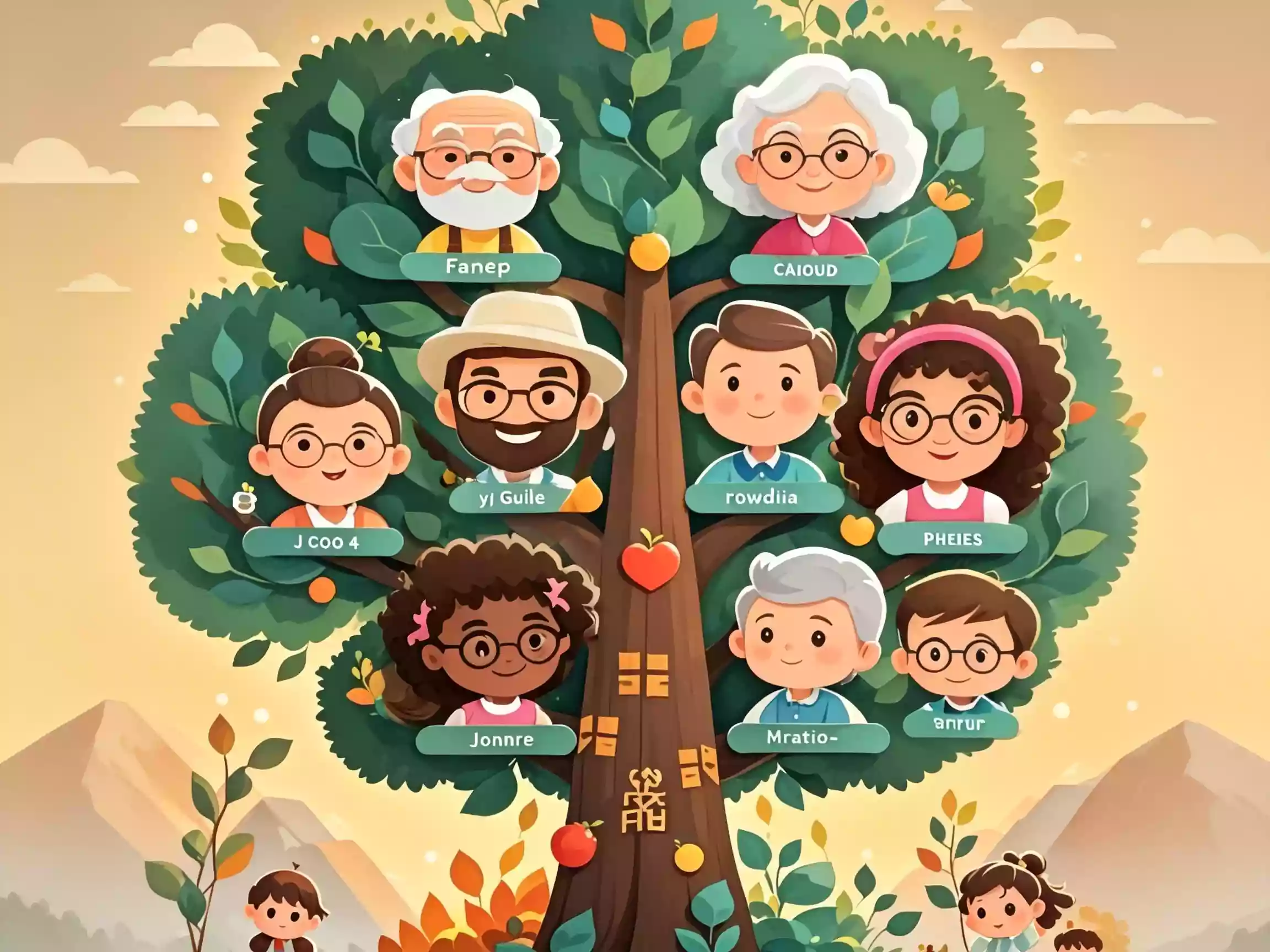
What the Chart Actually Represents
A family tree is a visual model of biological and legal relationships across generations. You sit at the bottom of the diagram; your parents sit above you, their parents above them, and so on. Each horizontal layer is a generation, and each line between two people is a relationship that needs support from evidence.
That last point separates serious family history from casual name-collecting. Anyone can copy a famous surname from a public online tree. The value of your work comes from being able to explain why you believe something — a birth certificate, a census entry, a parish register, or a recorded interview with an aunt who was there.
Two formats dominate. The pedigree chart follows direct ancestors only: parents, grandparents, great-grandparents, with no siblings. The family group sheet widens the view to one couple and all of their children, with dates and places for each event. Beginners usually need both. The pedigree shows direction; the group sheet stores the detail.
Why This Work Matters Beyond the Names
It anchors identity
Knowing that a great-grandmother crossed an ocean alone at nineteen, or that four generations of your family worked the same trade, changes how you understand your own habits and choices. Family history gives context to a life that otherwise feels as though it started when you were born.
It preserves knowledge that is disappearing
Many parish registers are deteriorating, some national censuses remain closed for privacy reasons, and most importantly, the people who remember the stories are ageing. Every year you wait, a source becomes unavailable. This is the strongest single argument for starting now, even with imperfect information.
It has practical uses
Accurate ancestry records can support applications for citizenship by descent, tribal enrolment, inheritance claims, and some medical histories. Doctors occasionally notice inherited patterns in a well-documented pedigree that a standard patient questionnaire would miss.
Core Genealogy Terms You Will Meet Immediately
- Ancestor — anyone from whom you are directly descended.
- Descendant — anyone directly descended from a given person.
- Direct line — parents, grandparents and upwards, without aunts, uncles or cousins.
- Collateral line — siblings, cousins and their families; useful for confirming identities.
- Maiden name — a woman's surname before marriage, often the key to finding her records.
- Primary source — a record created at the time of the event by someone who was present.
- GEDCOM — the standard file format for moving data between genealogy programs.
Building Your First Three Generations
Step 1: Capture living memory first
Before you open a database, open a notebook. Write down every name, date and place you already know, and mark which facts you are certain about. Then talk to relatives, and record the conversations if they agree. Ask open questions: where did the family live, what work did people do, who left home and why. Memories are imperfect, but they are leads, and leads are what you need.
Step 2: Work backwards, one generation at a time
Never jump to a famous ancestor three centuries back because a website suggests a match. Confirm your parents, then your grandparents, then their parents. Every generation you verify makes the next one easier to search, because you now hold the names, places and approximate dates that a record index needs.
Step 3: Chase documents, not opinions
Start with home sources: certificates, military papers, family bibles, writing on the backs of photographs, funeral cards. Then move to civil registration and census records, and finally to church and land records. If you want somewhere organised to keep your findings and involve the wider family, the family section of our site is a sensible place to store what you discover and share it with relatives.
Mistakes That Cost Beginners Months
Three errors cause most of the frustration. First, assuming a name is unique — a John Miller was rarely the only one in a county. Second, trusting other people's online trees; they are hints, not proof. Third, ignoring spelling variation, because your great-grandfather's name may appear in three different forms across three records.
There is also the temptation to hoard. Family history is collaborative work, and when you share a document with a cousin you often get one back.
Where to Look, In Roughly This Order
- Home and family collections, including photographs, letters and diaries
- Census records — usually the fastest way to place a family in a location
- Civil birth, marriage and death registers
- Church baptisms, marriages and burials
- Immigration, naturalisation and military records
- Newspapers, trade directories, land and probate records
- DNA testing — useful for confirming a line, not for building one
Recording Your Work So It Lasts
Write your source for every fact, even when the note is short: 1881 census, Sheffield, age 34. Use a consistent date format and a consistent place name. Scan or photograph original documents and keep copies in at least two locations, one of them off-site. Set aside a regular slot — thirty minutes a week beats one intense weekend every six months.
The goal is not a perfect tree. It is a reliable one: every line traceable to evidence, every uncertainty clearly marked, and a structure your grandchildren could pick up and continue without guessing what you meant.